| View previous topic :: View next topic |
| Author |
Message |
bigeyes


Joined: 31 Jan 2011
Posts: 191
Location: Shanghai, China
|
 Posted: Sat Oct 26, 2013 3:21 am Post subject: ROLLEI HFT 35mm F1.4 |
|
Posted: Sat Oct 26, 2013 3:21 am Post subject: ROLLEI HFT 35mm F1.4 |
|
|
bigeyes wrote:
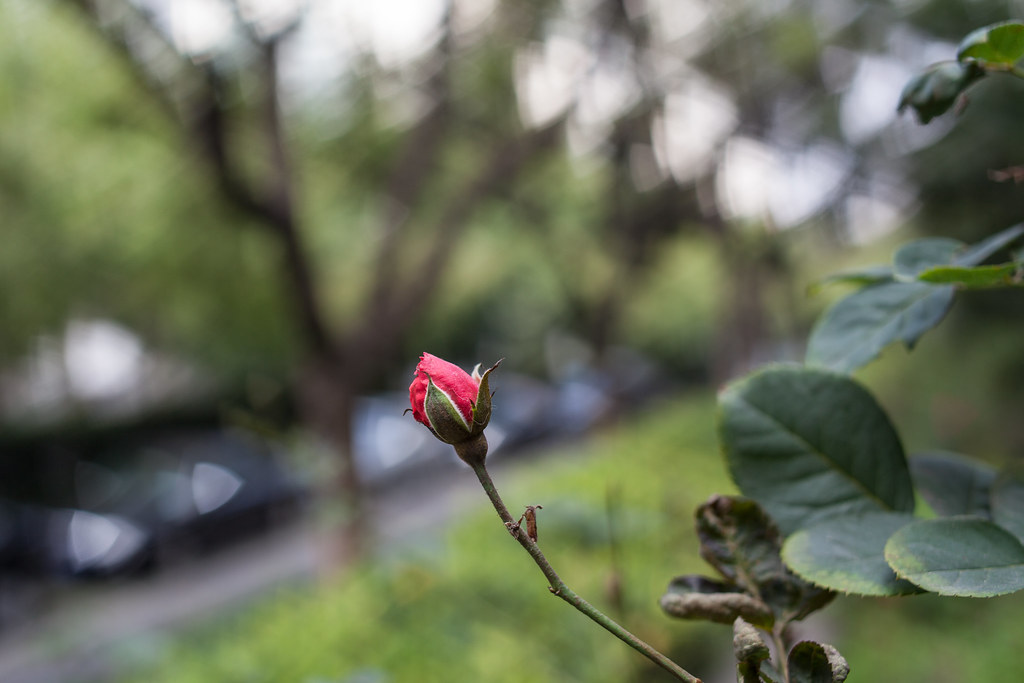
Flickr 上 F0.95 的 Rollei HFT 35MM F1.4 BY 5D2-3626
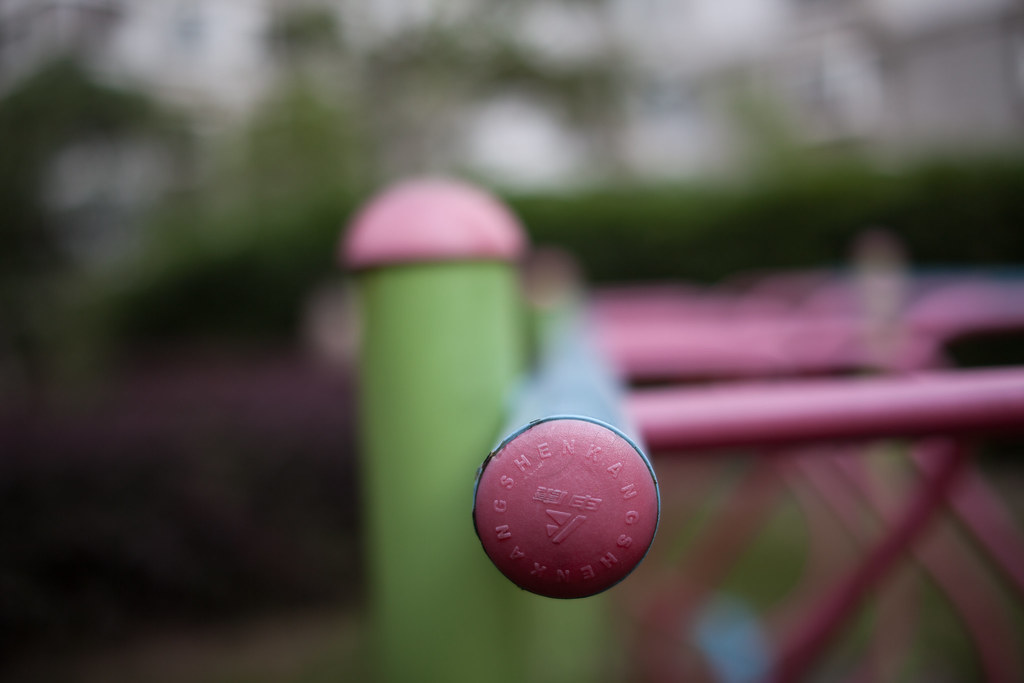
Flickr 上 F0.95 的 Rollei HFT 35MM F1.4 BY 5D2-3621
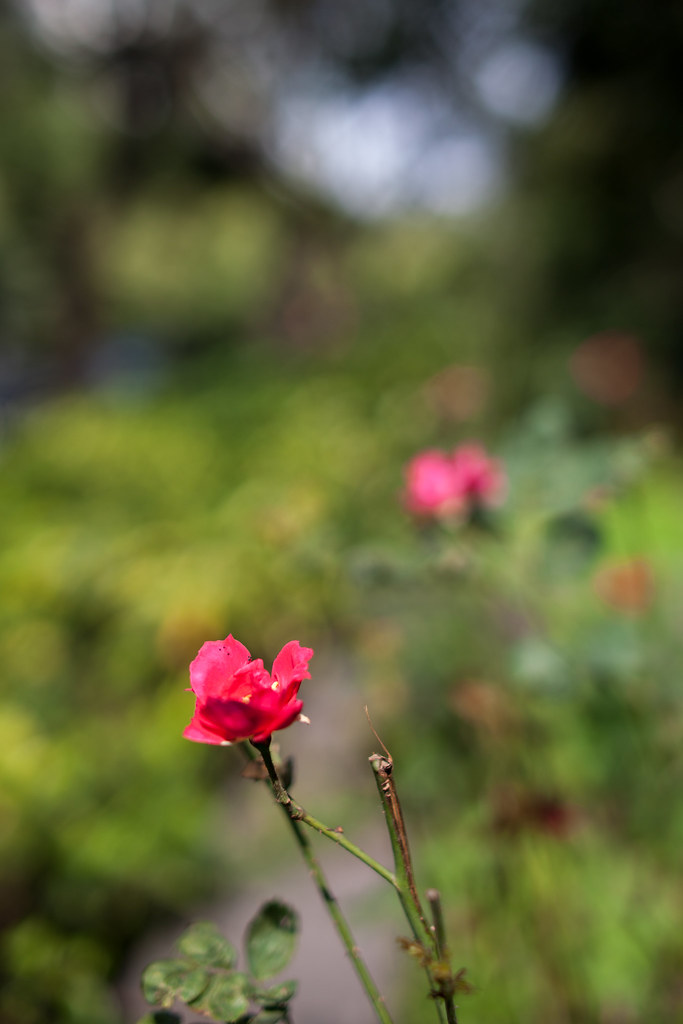
Flickr 上 F0.95 的 Rollei HFT 35MM F1.4 BY 5D2-3627
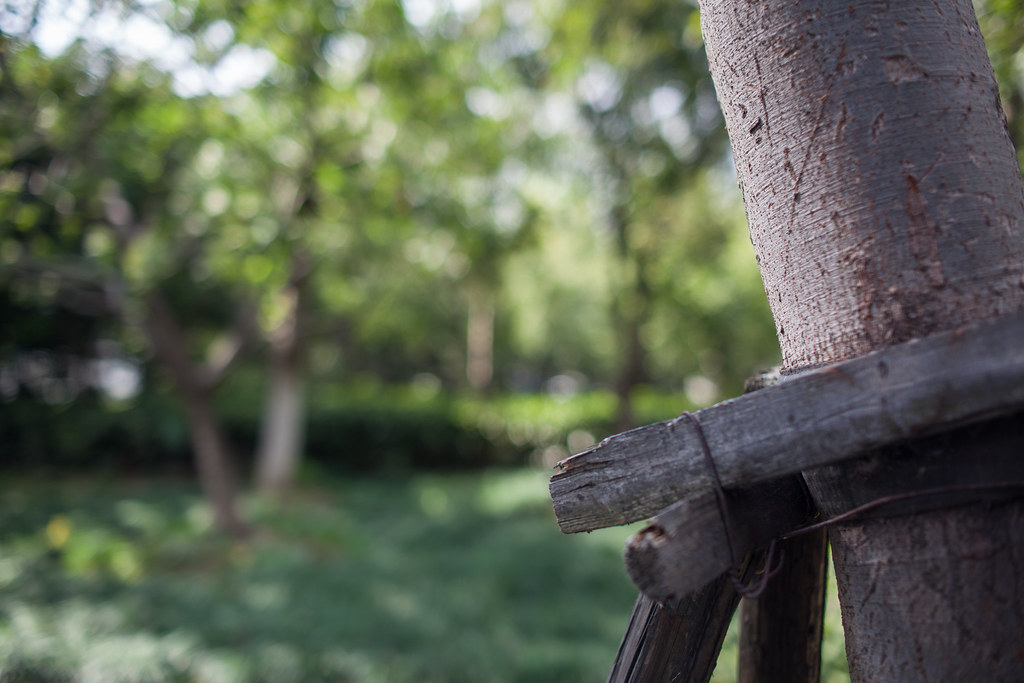
Flickr 上 F0.95 的 Rollei HFT 35MM F1.4 BY 5D2-3623
_________________
http://www.flickr.com/photos/majunrui/ |
|
| Back to top |
|
 |
hifisapi


Joined: 25 Sep 2012
Posts: 941
Location: USA
|
Posted: Sat Oct 26, 2013 5:25 am Post subject: |
|
Posted: Sat Oct 26, 2013 5:25 am Post subject: |
|
|
hifisapi wrote:
the first image has bokeh highlights that look like they were created by a three bladed aperture
_________________
===========
ACQUIRED OVER 30 YEARS:
Cameras: DSLR=Pentax istDS FILM=Pentax SP, SP-F, ESII, SP1000, KX, K2
Lenses : Pentax M42 = Super Multi Coated Takumars 50/1.4 55/1.8 100/4-BELLOWS 500/4.5 1000/8 135-600/6.7 Pentax PK= SMC Pentax-Ks K17/4-FF Fisheye K18/3.5 K20/4 K24/3.5 K28/3.5 K28/2 K35/3.5 K35/2 K50/1.2 K50/1.4K 50/4-MACROK 55/1.8 K85/1.8 K100/4-MACRO K100/4-BELLOWS K105/2.8 K120/2.8 K135/3.5 K135/2.5 K150/4 K200/4 K400/5.6 K45-125/4K 85-210/4.5 Pentax PKM = SMC Pentax-M M40/2.8-Pancake M50/1.4 M75-150/4 M80-200/4.5 Pentax PKA= SMC Pentax-A A15/3.5 A50/2.8-MACRO A28/2 A35/2 A50/1.4 A135/2.8 A200/4 A*300/4 A35-105/3.5 A24-50/4 A70-210/4 TAMRON AD2= SP80-200/2.8 SP180/2.5 TOKINA AT-X PK= ATX28-85/3.5-4.5 ATX35-70/2.8 ATX60-120/2.8 ATX80-200/2.8 ATX100-300/4 ATX90/2.5 MACRO KIRON-LESTER DINE PK = 105/2.8-MACRO VIVITAR PK = 135/2.8-MACRO 28-85/4 NOFLEXAR AUTOBELLOWS PK = 60/4 105/4 |
|
| Back to top |
|
|
Aanything

Joined: 27 Aug 2011
Posts: 2187
Location: Piacenza, Italy
Expire: 2014-05-30
|
Posted: Sat Oct 26, 2013 6:16 am Post subject: |
|
Posted: Sat Oct 26, 2013 6:16 am Post subject: |
|
|
Aanything wrote:
| hifisapi wrote: |
| the first image has bokeh highlights that look like they were created by a three bladed aperture |
Indeed this lens - together with the planar 85/1.4 iirc - has a 3-bladed aperture.
_________________
C&C and editing of my pics are always welcome
Samples from my lenses
My gear
My Flickr |
|
| Back to top |
|
|
ckrook
Joined: 02 Oct 2012
Posts: 79
Location: Oslo, Norway
|
Posted: Sat Oct 26, 2013 1:39 pm Post subject: |
|
Posted: Sat Oct 26, 2013 1:39 pm Post subject: |
|
|
ckrook wrote:
Also the Zeiss Super Speeds mk1 has the three bladed aperture
 |
|
| Back to top |
|
|
iangreenhalgh1


Joined: 18 Mar 2011
Posts: 15679
Expire: 2014-01-07
|
Posted: Sat Oct 26, 2013 3:26 pm Post subject: |
|
Posted: Sat Oct 26, 2013 3:26 pm Post subject: |
|
|
iangreenhalgh1 wrote:
Why would they cut costs with a 3-bladed aperture on a premium lens? Seem crazy to me.
_________________
I don't care who designed it, who made it or what country it comes from - I just enjoy using it! |
|
| Back to top |
|
|
cambug
Joined: 06 Jun 2010
Posts: 91
|
Posted: Sat Oct 26, 2013 3:43 pm Post subject: |
|
Posted: Sat Oct 26, 2013 3:43 pm Post subject: |
|
|
cambug wrote:
The construction of the aperture has more than 3 blades, just on stopping down, the opening is triangular. There are two lenses for Rollei 35mm camera, the 35mm f1.4 and the 85mm f1.4. The triangular opening probably appeared before Rollei, the Contarex 85mm f1.4 Planar also incorporated the same aperture design, which appeared in 1974 ( I think ) after the demise of Zeiss Ikon. The Contarex also incorporated probably the first T* coating on 35mm lenses. Also, there are Zeiss cine lenses with triangular aperture opening... |
|
| Back to top |
|
|
caspert79

Joined: 31 Oct 2010
Posts: 3800
Location: The Netherlands
|
Posted: Sat Oct 26, 2013 4:51 pm Post subject: |
|
Posted: Sat Oct 26, 2013 4:51 pm Post subject: |
|
|
caspert79 wrote:
To be honest, that bokeh gives me an headache! |
|
| Back to top |
|
|
RSalles

Joined: 12 Aug 2012
Posts: 1372
Location: Brazil - RS / South
|
Posted: Sat Oct 26, 2013 8:07 pm Post subject: |
|
Posted: Sat Oct 26, 2013 8:07 pm Post subject: |
|
|
RSalles wrote:
The first shot shows the superb optics this lens is, but, what a distracting bokeh! I don't like it, prefering the shots where it is not so distracting,
[]s,
Renato |
|
| Back to top |
|
|
iangreenhalgh1
Joined: 18 Mar 2011
Posts: 15679
Expire: 2014-01-07
|
Posted: Sat Oct 26, 2013 8:16 pm Post subject: |
|
Posted: Sat Oct 26, 2013 8:16 pm Post subject: |
|
|
iangreenhalgh1 wrote:
| cambug wrote: |
| The construction of the aperture has more than 3 blades, just on stopping down, the opening is triangular. There are two lenses for Rollei 35mm camera, the 35mm f1.4 and the 85mm f1.4. The triangular opening probably appeared before Rollei, the Contarex 85mm f1.4 Planar also incorporated the same aperture design, which appeared in 1974 ( I think ) after the demise of Zeiss Ikon. The Contarex also incorporated probably the first T* coating on 35mm lenses. Also, there are Zeiss cine lenses with triangular aperture opening... |
Thanks for the info. I wonder what the rationale was behind the decision to make the opening triangular?
| RSalles wrote: |
| The first shot shows the superb optics this lens is, but, what a distracting bokeh! I don't like it, prefering the shots where it is not so distracting, |
+1
_________________
I don't care who designed it, who made it or what country it comes from - I just enjoy using it! |
|
| Back to top |
|
|
Orio

Joined: 24 Feb 2007
Posts: 29545
Location: West Emilia
Expire: 2012-12-04
|
Posted: Sat Oct 26, 2013 10:46 pm Post subject: |
|
Posted: Sat Oct 26, 2013 10:46 pm Post subject: |
|
|
Orio wrote:
| iangreenhalgh1 wrote: |
| Why would they cut costs with a 3-bladed aperture on a premium lens? Seem crazy to me. |
The triangular aperture (which in reality consists of 6 blades, coupled in pairs) was not made in order to cut on costs.
Marco Cavina explains that in his Contarex Book. To quote his words:
| Quote: |
The sophisticated transmission system of these devices (the Contarex cameras) suffers from considerable inertia, and as the
iris of such a fast lens (the 1.4/85 Planar) requires large blades, at Zeiss they feared for malfunctions and so an iris was
conceived consisting of three paris of blades, coupled side by side, designed in order to minimize the friction and inertia, and
this diaphragm inscribes a triangular shape with rounded sides, a unique and unmistakeable profile. |
To (very modestly) integrate Marco's words, I would personally add that probably there was also a focus shift reduction intention
in mind: a triangular aperture allows for portions of outer lens to still contribute (in a gradually decreasing fashion) to the
formation of the image, thus reducing the impact of the focus shift that would have been caused in the fast double gauss 1.4/85 Planar
by the abrupt complete exclusion of the outer parts of glass that a circular or octagonal aperture would have originated.
The 6-blades triangular scheme was born therefore as a performance measure specifically for the Contarex; born with the 1.4/85 Planar,
it was also adopted by the 1.4/35 Distagon, which however could not pass the prototype stage in the Contarex version
due to the early end of the Contarex system.
The two lenses were immediately ported over to the Zeiss line of cinematic lenses ("Superspeed") for Arriflex cameras, and to the Rollei
SLR system as well, inheriting in both cases the triangular aperture. If I remember correctly, there was also another lens in the Rollei line which
was made with the triangular aperture, but I can not recall now which lens it was.
About the bokeh, I also found it disturbing in the beginning, but then I started to appreciate it: with low contrast,
it creates a very painterly background, with high contrast, it creates magical highlights, great for night scenes.
In fact I did appreciate so much, that I purchased a copy of both 1.4/85 Planar and 1.4/35 Distagon in Rollei mount,
and had their helicoids recalibrated for infinity focus on Canon cameras: 
Rollei Distagon 1.4/35 :
- (wide open)

- (stopped down)

Rollei Planar 1.4/85 :


_________________
Orio, Administrator
T*
NE CEDE MALIS AUDENTIOR ITO
Ferrania film is reborn! http://www.filmferrania.it/
Support the Ornano film chemicals company and help them survive!
http://forum.mflenses.com/ornano-chemical-products-t55525.html |
|
| Back to top |
|
|
ManualFocus-G

Joined: 29 Dec 2008
Posts: 6674
Location: United Kingdom
Expire: 2014-11-24
|
Posted: Sat Oct 26, 2013 11:04 pm Post subject: |
|
Posted: Sat Oct 26, 2013 11:04 pm Post subject: |
|
|
ManualFocus-G wrote:
Triangles AND pop, so so cool! This (and the Contax variant) has been on my wish list for a while. Thanks for sharing.
_________________
Graham

Shooter of choice: Nikon Z6
Lenses:
Vivitar presets
Soligor autos
Pentacon presets
Prakticar PBs
Some other weird stuff!
|
|
| Back to top |
|
|
iangreenhalgh1
Joined: 18 Mar 2011
Posts: 15679
Expire: 2014-01-07
|
Posted: Sat Oct 26, 2013 11:10 pm Post subject: |
|
Posted: Sat Oct 26, 2013 11:10 pm Post subject: |
|
|
iangreenhalgh1 wrote:
Thanks for the explanation Orio.
I'm still not sold on the triangles, but the performance of the lenses looks superb.
_________________
I don't care who designed it, who made it or what country it comes from - I just enjoy using it! |
|
| Back to top |
|
|
fferreres
Joined: 27 Mar 2019
Posts: 4
|
Posted: Mon Apr 29, 2019 7:17 am Post subject: |
|
Posted: Mon Apr 29, 2019 7:17 am Post subject: |
|
|
fferreres wrote:
Reviving this old thread and switching to the 85mm.
I have a few 85mm, including both this lens Planar f1.4) and it's CZ 85mm f2.8 for Rollei cousin (Sonnar type). This lens is an acquired taste. I agree with the previous poster,that at first, I didn't like it that much. Compared to the f2.8 Sonnar, the copy I have has significantly more CA on very high contrast surfaces (black over white strong light), becomes a lot softer. In a 24MP sensor as opposed to film, it also has "gains" onion rings on specular highlights at the widest aperture (and disappears by f4 where it gains a rounded triangular shape). It is also softer on f1.4. At this focal length, f1.4 becomes really really shallow, so for portraits you always need to know if you want the nose or ears out of focus Yes, that has nothing to do with this lens, but the point is you will use f2.8 or higher most of the time. It's also a lot heavier than it's cousin.
By f2 the CA is is reduced a lot, and almost absent by 2.8. The BIG chunck of glass and wide aperture, in the worst case scenario, against bright light (in this case, a forrest with lots of sun going directly in between leaves) in a DIGITAL body, no hood, will give you something like the picture with the million bubbles. Can it be worst? Or maybe you even like it? It only happens with direct sunlight and f1.4, in this case, it was like 1000s of bright spots.
On the plus side, it has that painterly look. You need to also undertand that a triangular shape is also the least symmetrical of all regular shapes. This means, if you angle your shot differently, the areas of overlap will all be significantly different, even if you are shooting the sames scene from the same position, as the triangles will be pointing in the different direction. This leads to a compositional control that no other lens gives you. And that shape, plus that control, result in that painterly effect that is different than the "very regular" look of just circles (which maximize the overlap and is neutral in all direction).
For me, it's a pleasure to use, and to try out the many possibilities. It behaves very differently than the 5 sided cousin which is very sharp and contrasty wide open, and is superb in any respect. The f1.4 is amazing in low light, a great sharp lens that gives you a lot of things across it's aperture range and focus range, performing in unique ways that sometimes world like no other -unrivaled, and sometimes just plain disappoints.
In capable hands, it's a joy, and let's not also forget, so far as I know, it was the first CZ f1.4 85mm, later ported almost identically to the C/Y system. While it may have been designed with Contarex in mind, as Marco commented, the first appearance I believe was in Rollei mount and only a year later in Contarex (of which only 400 units where ever made).
#1

#2

#3

#4

#5

#6

Notice this last photo is an almost 1:1 (100%) crop in light intensity from the sun against extremely dim foreground. The light also pases 1000s of branches and scatters into what for me is the test that no lens in my 100+ collection knows what to do. But it shows the onion ringiness wide open on digital sensors, which I am not sure if it's my copy, and is generally not considered great. However, it vanishes under dimmer light and even at f2.
You don't love this lens for its weaknesses, and in my pics I tried to show its ugliness. But this lens won't be loved only for its virtues (which are many) but in the interplay of these in many contexts that just can be replicated by anything else. |
|
| Back to top |
|
|
|
|
|
You cannot post new topics in this forum
You cannot reply to topics in this forum
You cannot edit your posts in this forum
You cannot delete your posts in this forum
You cannot vote in polls in this forum
|