
MFlenses - A new life in a digital age
MFLenses 2026

Manual Focus Lenses Forum

Explore the world of vintage lenses through repair notes, real test shots, and detailed archive threads packed with images.

Explore the world of vintage lenses through repair notes, real test shots, and detailed archive threads packed with images.
logovectorizer.com
Spotlight

Featured partner placement for the forum front page.

Nature in Brilliant Colour Exhibit, ROM Toronto
View previous topic :: View next topic  


Reply

I have been asked by the Royal Ontario Museum (ROM), Queens Park, Toronto Canada for permission to exhibit a series of images to simulate the vision of butterflies at their forthcoming exhibit "Nature in Brilliant Colour " which is a travelling exhibit originally developed by the Field Museum Chicago. The exhibition will run from 14 December 2024 to 17 August 2025.

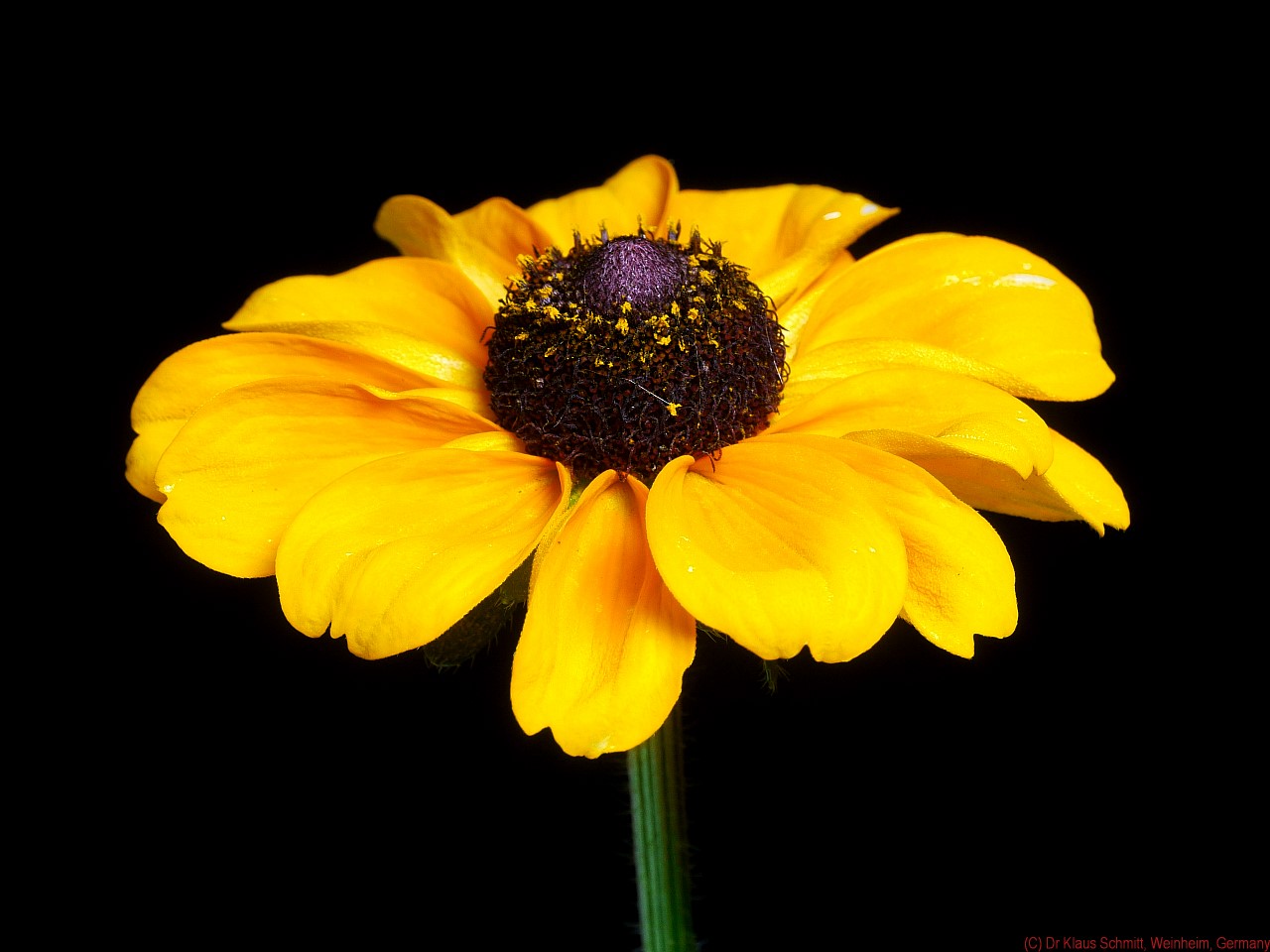
For that exhibit I chose images of a Rudbeckia hirta flower Black Eyed Susan - Rudbeckia hirta which I had shot using visible and reflected ultraviolet photography. All shots were then done at f8 in reflected ultraviolet photography using my "work horse" UV filter, the Baader-U filter, as well as my XBV filters for simulated animal vision. Lens was a UV-Nikkor 105mm quartz fluorite lens. Light source was a modified Xenon flash.


I chose Rudbeckia hirts, as it has a strong UV pattern, its petal tips are UV bright around 365nm, but its center is quite UV dark, so this gets quite nicely visible, hence why I used this flower here to simulate butterfly vision.


Reply

Simple question since I'm not into UV photography at all: As far as understand the Baader filter mainly transmits around 370nm (+/- 50nm), exluding/blocking everything else in the 200-1200nm range. How dou get the coloured "UV" image then?

THX for an explanation Wink

S


Reply

Congrats on the achievement - seems like a great choice!


Reply

stevemark wrote:
Simple question since I'm not into UV photography at all: As far as understand the Baader filter mainly transmits around 370nm (+/- 50nm), exluding/blocking everything else in the 200-1200nm range. How dou get the coloured "UV" image then?

THX for an explanation Wink

S


Very true, I used that one to assemble my "colorful" images back then using this. Now I use my propriatary XBV fiter stacks which allows that in one shot..

Btw this is "simulated bee vision" ... (as bees cannot see red)